Verdict
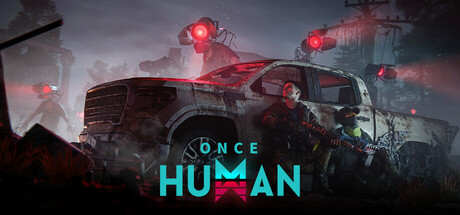
Once Human blends base-building, looter-shooter combat, and a genuinely inventive Deviant creature system into a survival MMO that earns its endgame without gating it behind a credit card. Aggressive marketing around its battle pass and cosmetic store wears thin over time, and its concurrent player counts have settled well below their 2024 launch peak — but the core loop still holds up two years on, and a console release with cross-progression is about to widen its audience.
Once Human arrived in mid-2024 riding a wave of curiosity about what a survival MMO built by a NetEase-backed studio might actually look like at scale, and it promptly posted one of the biggest concurrent player spikes of that year. Two years later, the hype cycle has cooled considerably, but the game itself hasn't stood still — Starry Studio has kept iterating, a console release with cross-progression is arriving in late August 2026, and the core loop underneath all the noise is still genuinely worth engaging with.
Familiar parts, an unfamiliar combination
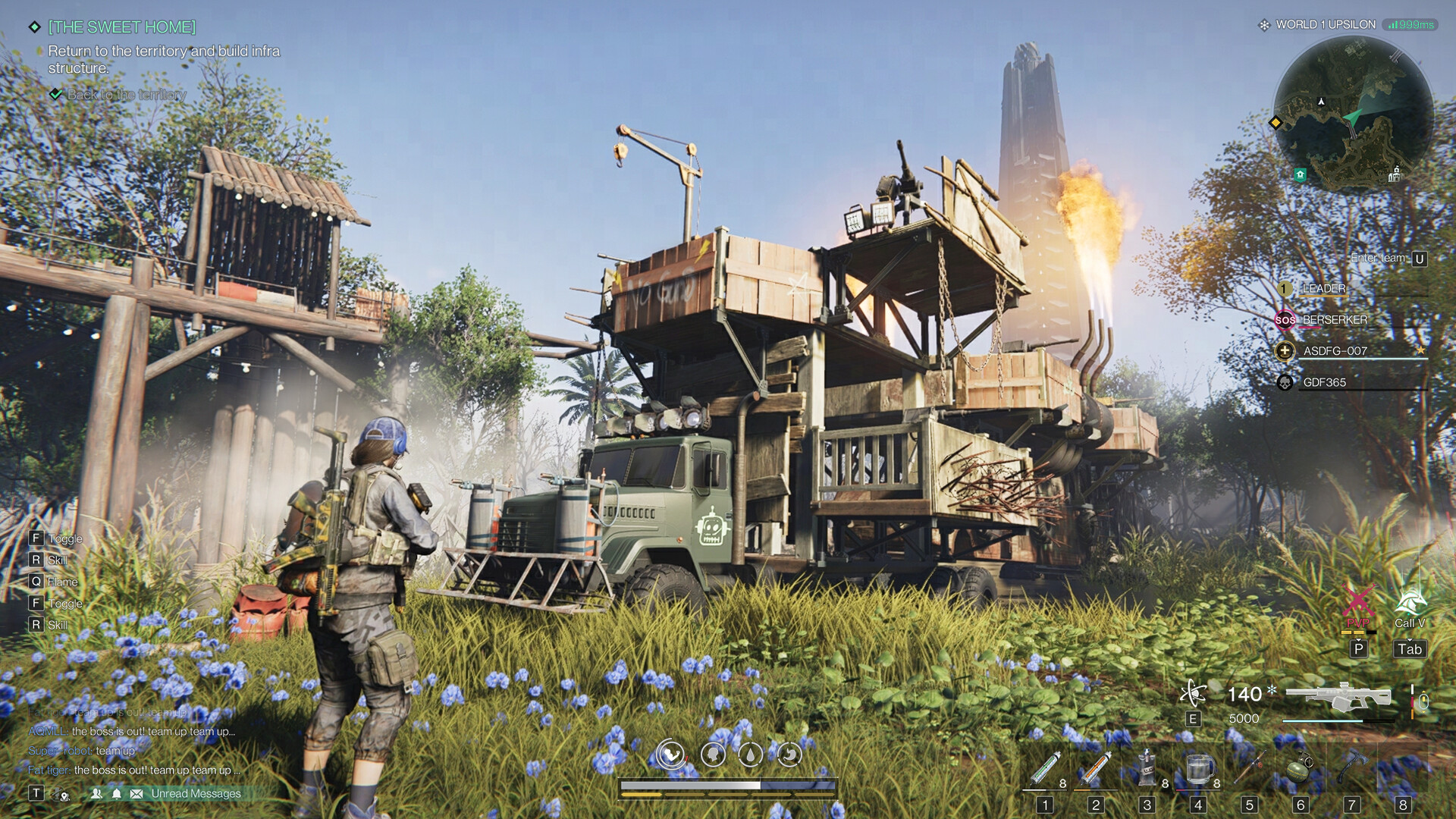
On paper, Once Human reads like a checklist of borrowed systems: base building that clearly takes cues from Rust, looter-shooter gunplay that owes a debt to The Division, and creature companions that immediately draw Palworld comparisons. What keeps it from feeling derivative is how these pieces interact. Weapons have real weight and combat encounters demand actual positioning and awareness rather than just bigger numbers, and the base-building layer ties directly into a broader world state that shifts with each seasonal scenario rather than sitting static in a private server.
The Deviant system is the real hook
The feature that actually sets Once Human apart is its Deviant system — capturing corrupted, anomaly-touched creatures and deploying them strategically in both combat and base defense. It's a genuinely clever twist on the survival-game companion trope, adding a layer of tactical planning that most competitors in this space simply don't attempt. Where a lot of survival MMOs treat companions as cosmetic flavor or simple damage-sponges, Deviants function as a real strategic resource, and building a roster of them gives the mid-game a sense of purpose beyond just gearing up.
Monetization that mostly respects the free player
Once Human's business model deserves a fair amount of credit here. The seasonal battle pass adds convenience items and cosmetics, but it doesn't gate core progression behind a paywall — reaching endgame content without spending anything is a realistic, achievable path, not a theoretical one buried under artificial friction. That said, "doesn't gate progression" isn't the same as "doesn't try to sell you things constantly." The frequency of battle pass reminders and cosmetic store prompts is genuinely aggressive, to the point where it becomes one of the more consistent points of player irritation even among people who otherwise enjoy the game. It's a monetization model that's fair in substance but occasionally exhausting in presentation.
The population question
It's worth being honest about where Once Human sits today relative to its launch. The game posted a staggering 231,668 concurrent player peak at its July 2024 launch — the kind of number that made headlines — and has since settled considerably, with mid-2025 figures averaging in the 26,000-player range monthly with peaks around 51,000, and Steam concurrents generally holding in five-figure daily peaks since. That's a steep drop from the launch spike, but it's also a fairly normal trajectory for a survival MMO two years past release, and the numbers represent a genuinely healthy, sustained player base rather than a dying game. The upcoming console launch — bringing PlayStation 5, Xbox Series X|S, and Xbox on PC support with full cross-play and cross-progression — is a meaningful swing at rebuilding momentum, and the underlying game is in good enough shape to make that bet credible.
Where the seams show
Scenario resets — the periodic wipes that reintroduce new seasonal maps and mechanics — are a double-edged design choice. They keep the sandbox from calcifying and give returning players a reason to jump back in, but they can also feel punishing to anyone who invested heavily in building up a base or gear set during a prior season, only to watch it reset. It's a structural tension the genre hasn't fully solved, and Once Human doesn't escape it either.
Who should play Once Human
If you enjoyed Rust's base-building tension or The Division's gunplay but wanted either wrapped in a stranger, more mechanically ambitious sandbox, Once Human delivers something genuinely distinct. It rewards players willing to engage with its seasonal rhythm rather than treat it as a permanent, static world — and with a console release and cross-progression on the way, now is a reasonable moment to jump in before the next scenario shakeup.
Verdict: 7.3/10
Once Human takes familiar survival-genre pieces and combines them into something with a real identity, anchored by the Deviant system's tactical depth and a monetization model that mostly stays out of the way of actual progression. Player counts have cooled significantly from their historic launch spike, and the constant battle pass push notifications wear on goodwill over time, but the core game two years on remains a genuinely engaging, fair survival MMO — one that's about to get a meaningful second wind with its console debut.
Pros
- Deviant system — capturing and deploying tamed anomalies — adds real strategic depth other survival games lack
- Core combat feels tight and skill-based rather than pure gear-checking
- Monetization stays largely outside gameplay advantage; endgame is fully reachable free
- Regular scenario resets and seasonal content keep the sandbox from going stale
Cons
- Battle pass and cosmetic store push notifications are persistent and can feel intrusive
- Concurrent player counts have dropped well below the 2024 launch spike
- Base-building and looting systems borrow heavily from Rust and The Division without fully making them its own
- Scenario wipes that reset progress can frustrate players who invested heavily in a prior season